T H E · R O O T S · of the body
In Ayurveda the head is considered the most essential part of the body — it contains four of the five sensory organs and seven of the nine bodily openings through which our inner world meets the outer one.
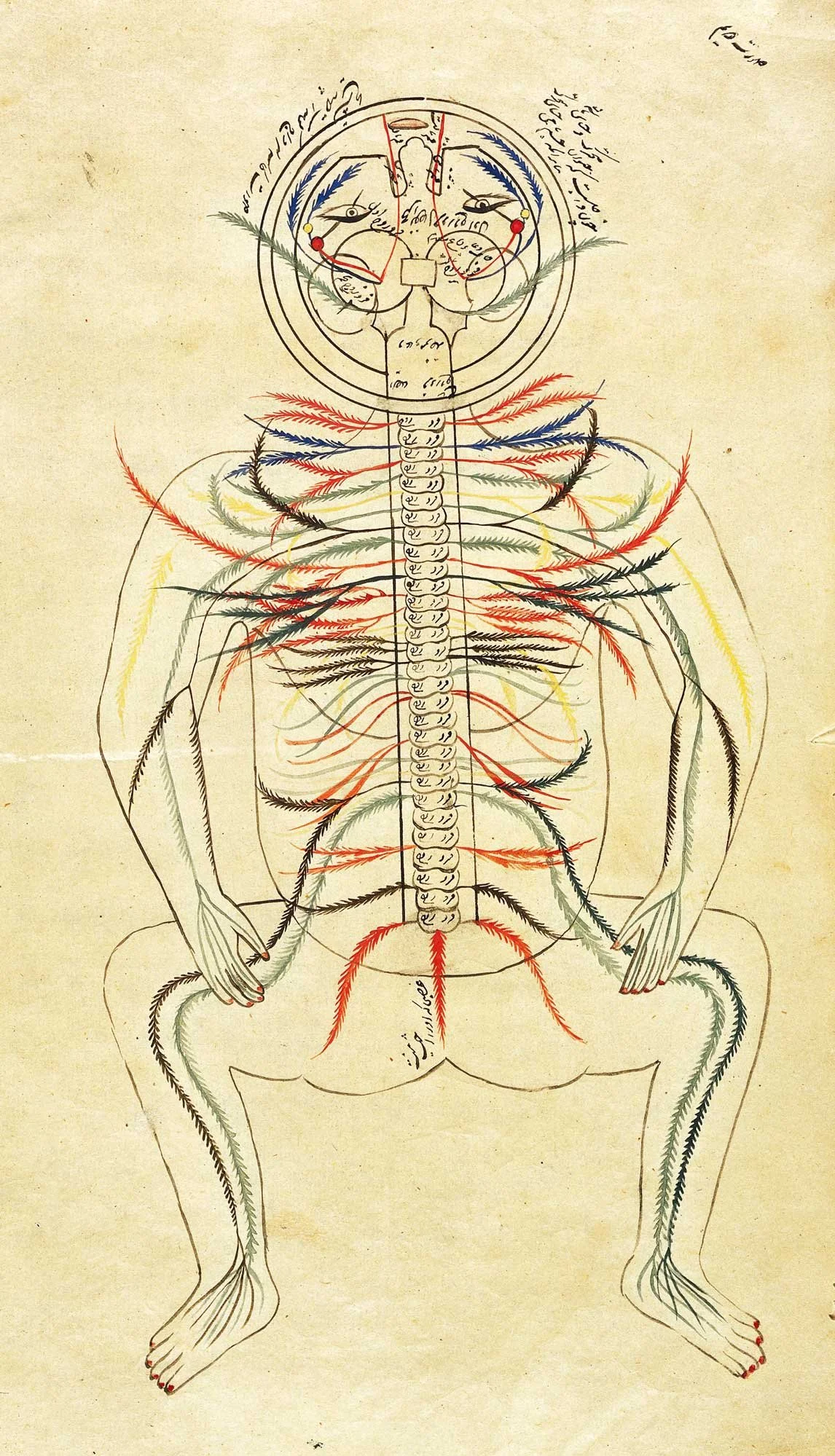
Vagbhata, one of the most influential scholars of Ayurveda (6th–8th century CE), compared the head to the roots of a tree, with the limbs as its branches. Just as roots nourish the whole tree, the brain and sense organs sustain all our activities and wellbeing.
In times like these, the nervous system is asked to process an enormous amount. News, screens, noise, uncertainty — all of it arrives through those same nine openings, through the same sense organs that Vagbhata placed at the root of everything. It is perhaps no coincidence that so many people feel unmoored, overstimulated, or simply exhausted in a way that sleep alone doesn’t resolve — whether that shows up as insomnia, anxiety, burnout, or an inability to truly rest.
What does it mean, then, to truly nourish the nervous system — not calm it temporarily, but feed it at its root?
In Ayurveda, stillness is not the absence of activity. It is a condition the body needs as much as food or sleep.
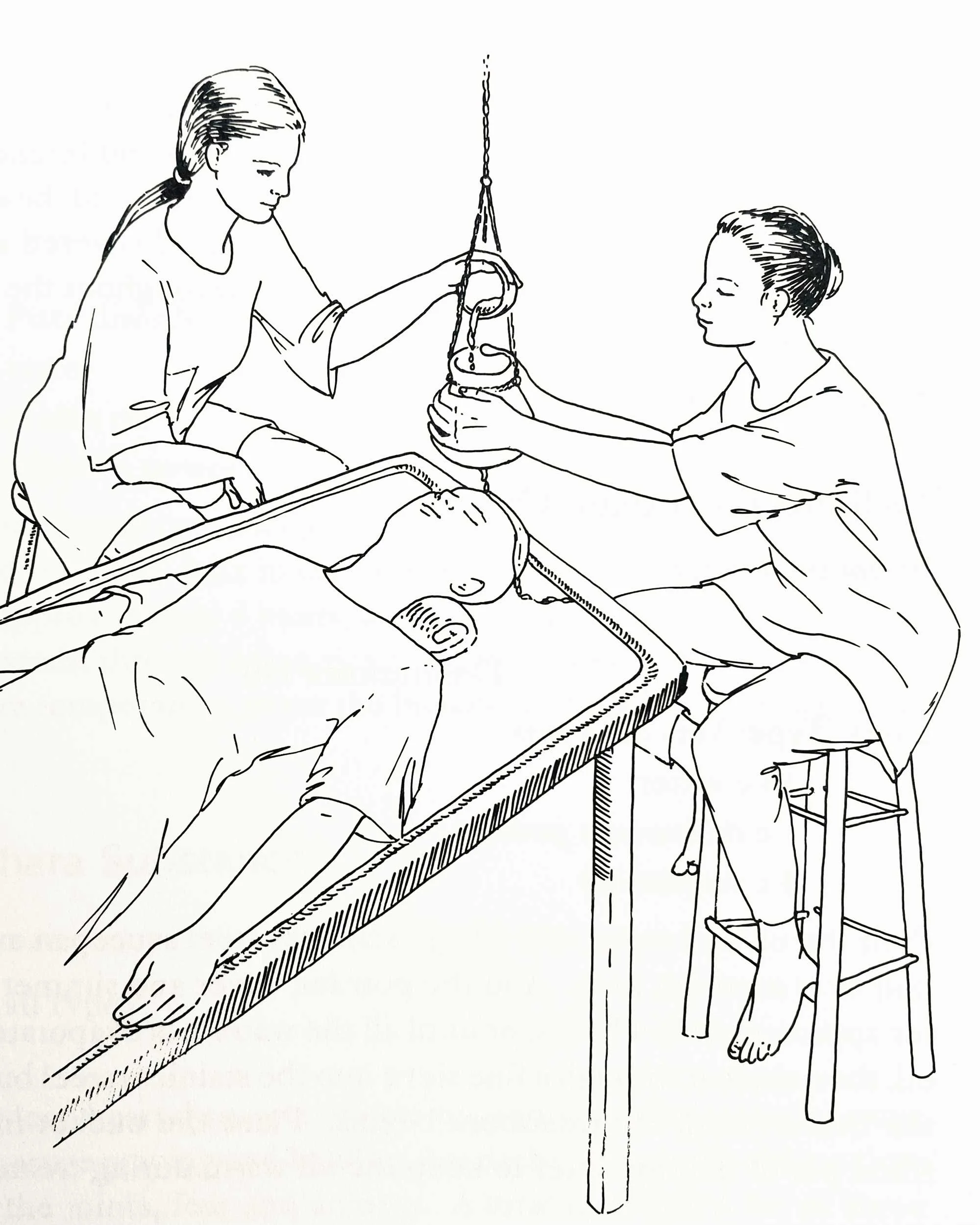
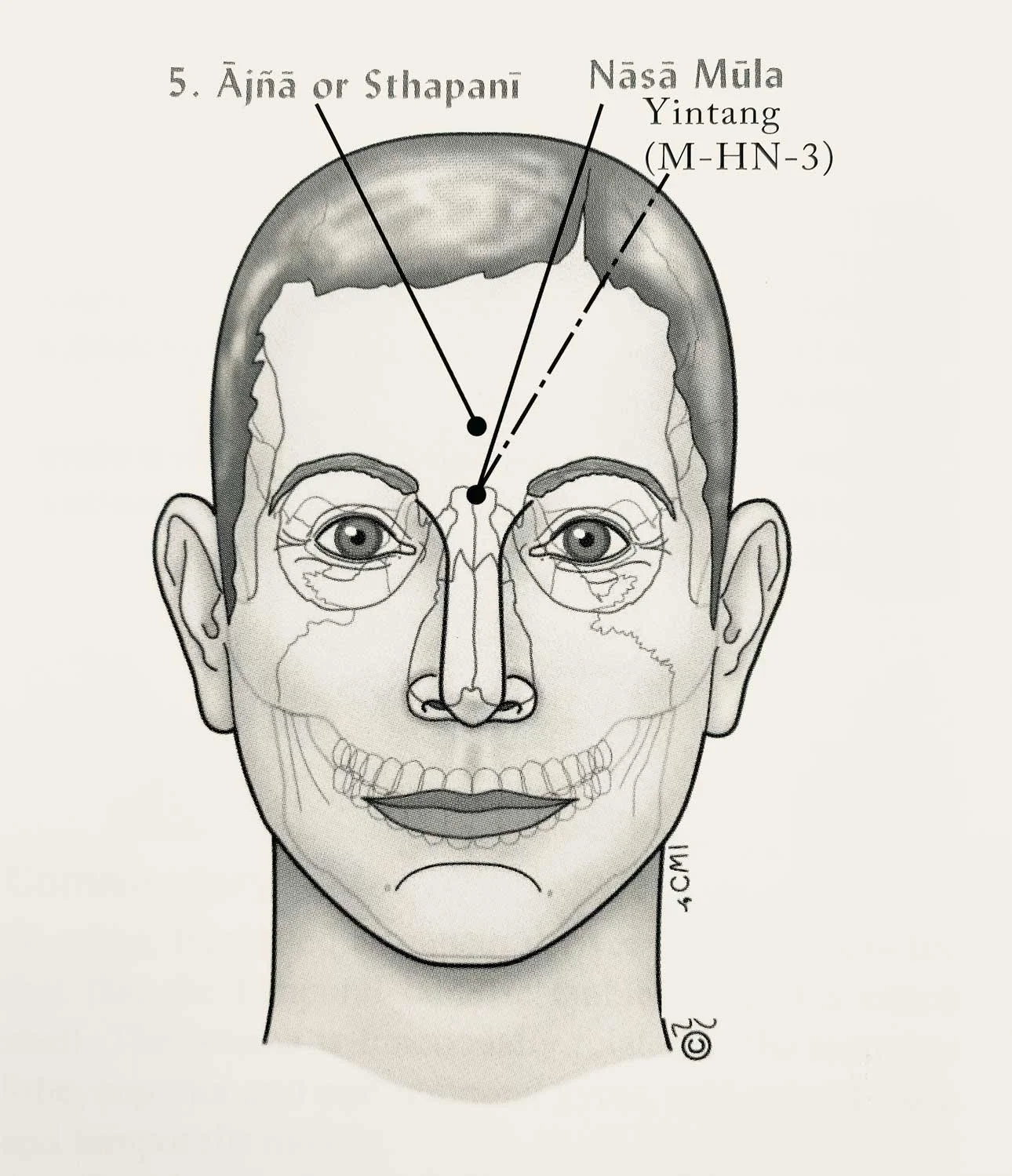
Shirodhara is one of Ayurveda’s most refined treatments for the nervous system. Warm medicated oil is streamed in a continuous flow onto the forehead — onto Ãjñã marma, just above the midpoint between the eyebrows. Ãjñã means order. This marma brings order to body, mind and consciousness, steadying the fluctuations of thought and emotion. Another name for it is Sthapani — steadiness, stability.
The streaming of oil — dhara — has a direct connection to the streams within the body itself. Warm medicated oil penetrates the tissues, reaches the nerve channels, and communicates safety to a system that has been on alert. The consistent flow induces a deep state of relaxation, not by suppressing activity, but by restoring rhythm. The treatment requires clockwork precision — if the rhythm of the pouring is not steady, it will disturb rather than calm. It is the unbroken stream that the nervous system gradually surrenders to.
“Shirodhara felt like a waking dream – the hypnotic rhythm of the warm flowing oil completely melted my mind and body into total relaxation.” · client
Like any root system, ours needs regular nourishment. What we give to the world grows from what we tend within.
Shirodhara treatments are offered here at Chala Kala, Ayurvedic practice in Amsterdam. See here
Research: Studies show that Shiro dhara has a measurable effect on the body’s stress chemistry — reducing cortisol and noradrenaline levels, and supporting the nervous system on a deep physiological level. | Sujata Rajan et al., Impact of Shirodhara on biological markers of stress, Journal of Ayurveda and Integrative Medicine, 2021
Image 1: Water colour of nervous and venous system by Persian artist, 1800-1899; Wellcome collection
Image 2: Shirodhara application. Drawing by Maya Tiwari and Marnie Mikell
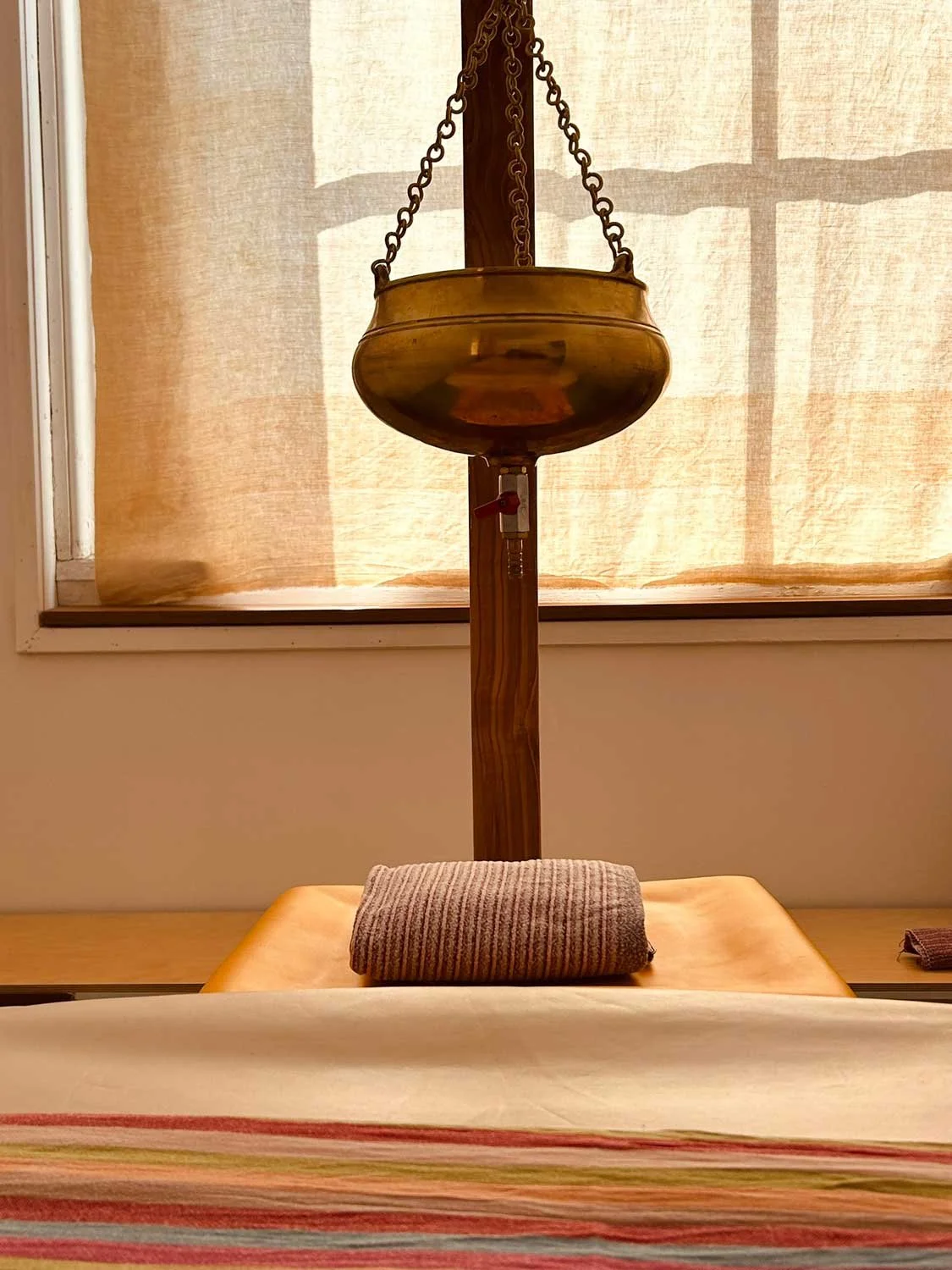
Image 3: Shirodhara at Chala Kala, Amsterdam
Image 4: Ãjñã or Sthapani marma. Drawing from Vasant Lad, Anisha Durve, Marma Points of Ayurveda. The Ayurvedic Press, 2008