L E T ‘S · T A L K · C O F F E E
Think switching to decaf is better? Not necessarily. Ayurveda asks a different question: who is the person drinking the coffee? That perspective changed the way I look at this popular drink.
– article written by Eva Dusch (āyurveda & jyotiṣa)

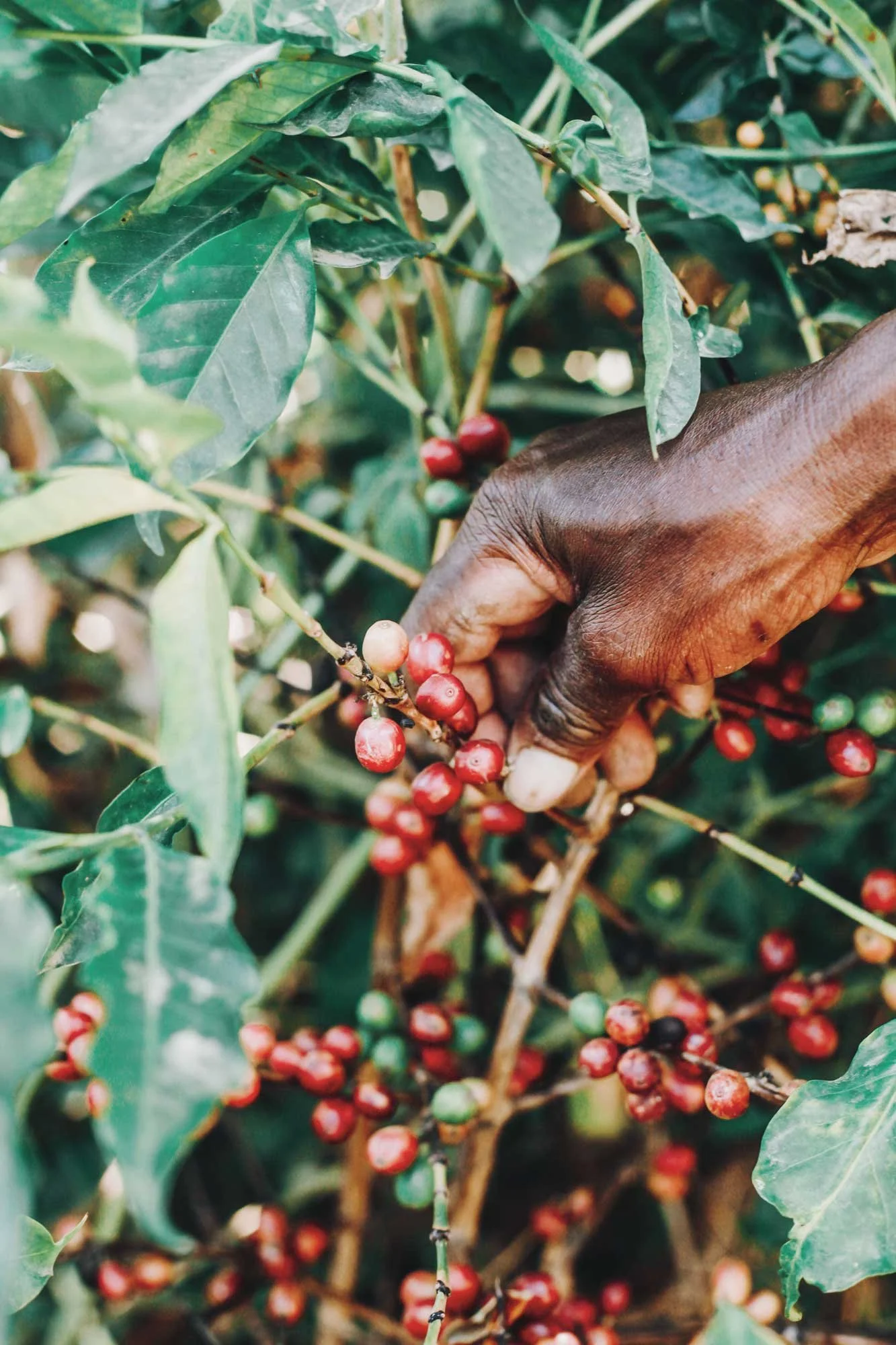
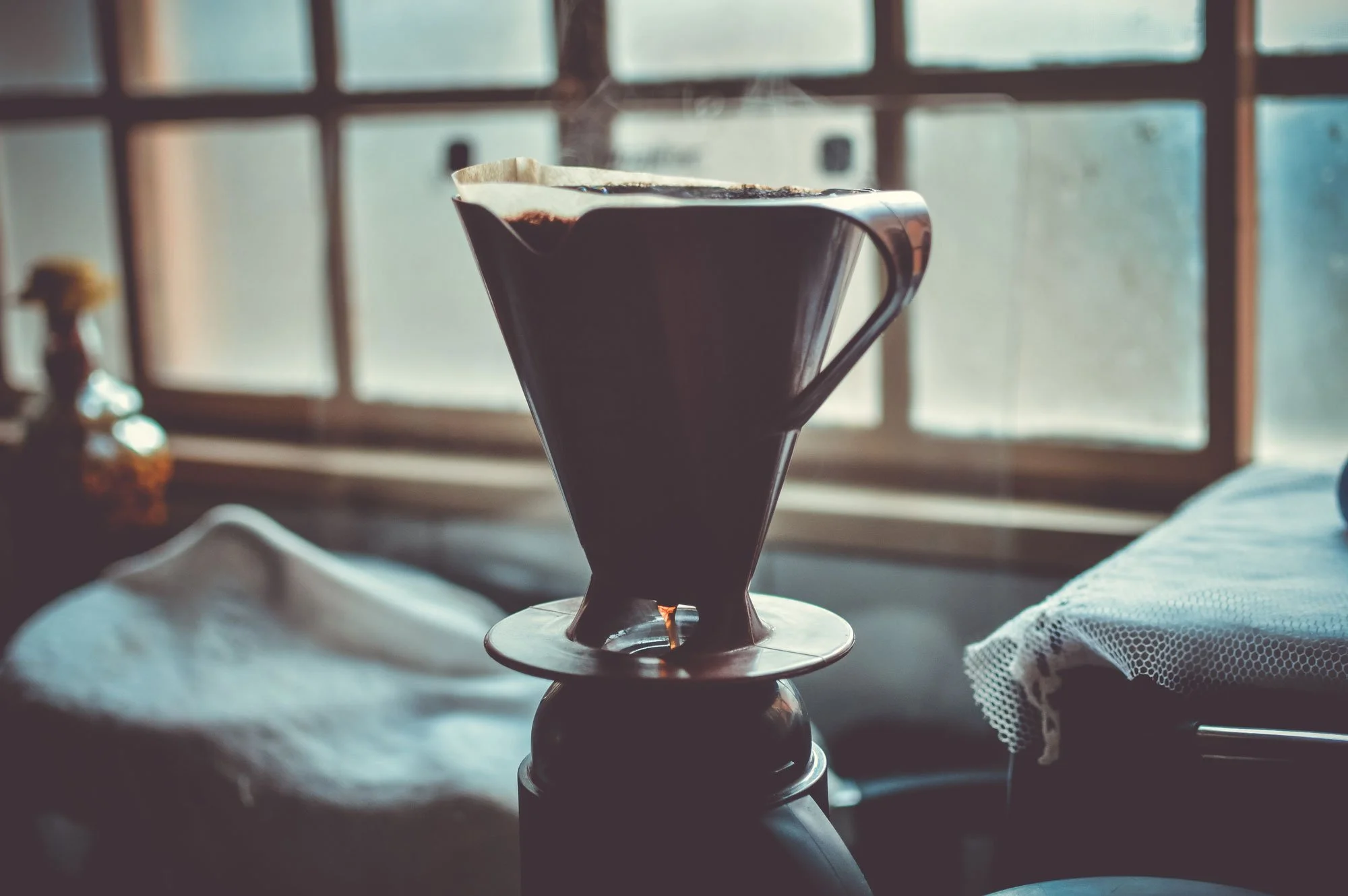
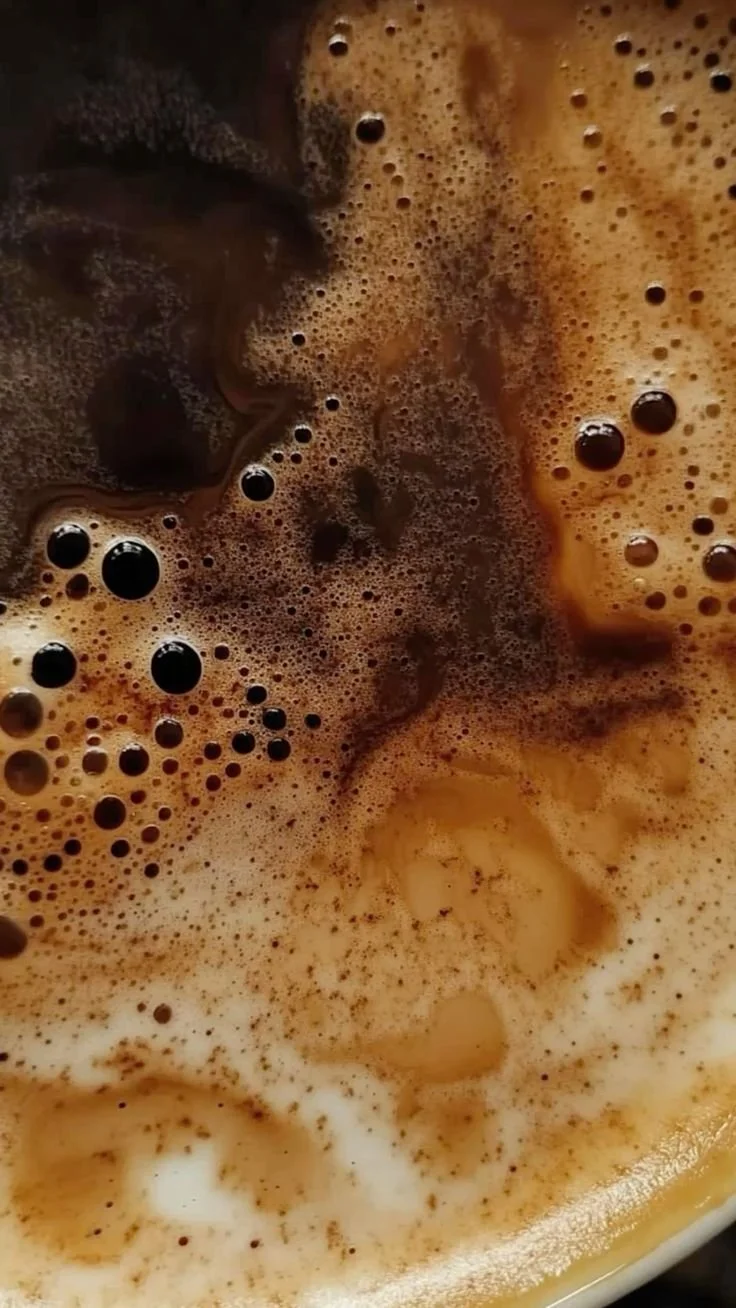
To drink or not to drink. Coffee, that is. It's a question I hear people ask themselves often. The conclusion often sounds something like: "I've decided to only drink decaf from now on."
Reducing your caffeine intake may well be a good idea, especially if coffee leaves you feeling jittery or anxious. But switching to decaf doesn't necessarily mean it's the answer to 'better coffee habits' — you're just drinking less caffeine.
That's where Ayurveda invites us to look a little deeper. Removing most of the caffeine may change part of the experience, but it doesn't make it any less coffee, if you know what I mean. That's exactly the point that is often overlooked.
Is it a food, medicine or poison?
Coffee is the most consumed drink in the world and the most-used herbal medicine in existence, as mentioned by Dr Sam Watts (PhD). But what is a herbal medicine at its core — and does the way we use or consume it nowadays change that?
Ayurveda teaches us that everything is about context. It's about looking at any substance in this world through the same lens. What are the inherent qualities of a substance or action, and what is its effect on the person consuming it? Leading to the important question: is it a food, medicine or poison? And for whom exactly? Unfortunately, according to Dr Robert Svoboda (BAMS), most people use it as a poison.
Once we understand that coffee is more than just caffeine, the next question is whether it actually agrees with us. For something to be considered a food or medicine, we need to inquire: does the substance agree with you, or are you merely agreeing with the substance? In other words, how is your body receiving it? For it to be a food or medicine, the body should at least sense that the substance is good for it.[1]
Ayurveda doesn't judge a substance by its taste alone. Rasa, or taste, is the first way the body experiences a substance and an important doorway to healing, but it tells only part of the story.
With coffee, the first things you notice are its bitterness and acidity. However, the rest show up after you've consumed it — the vipak, or after-digestion effect — which means you may not even realise what you're experiencing is related to the coffee. Acid Reflux? Irritability? Hot flashes? Dryness of mouth and eyes? More hair loss? Early greying? Think again.
The fancy coffee — with milk, foamed, upside down, iced, with sugar, without fat, with spices or syrup — how you take it matters, but it won't remove the underlying cause.
Coffee is heating, sharp, astringent or drying, and has a mobile quality (upward and outward-moving energy) that's present whether you're choosing fully caffeinated, low-caf, decaf, or iced coffee, with or without milk [2]. These are the qualities that make coffee, coffee — regardless of how you dress it up. Considering this, a cup of coffee gives you a hefty dose of air (movement – vata) and fire (sharpness – pitta) element, which gives the boost that many people love so much but also easily tips you over the edge.
Women are more watery and juicy by nature. Drinking coffee doesn't quite suit that picture.
From an Ayurvedic perspective, not all constitutions can handle coffee. Airy people are the ones who easily feel jittery or scattered due to coffee, and feel this undercurrent of unease 'without knowing why.' Fiery people, on the other hand, become more irritated or impatient because the fire element makes them even sharper than they already are (which they love, by the way) — and coffee can irritate the gut, contributing to gastritis or ulcers. Earthy people, who are often more calm and grounded by nature, can handle coffee the best and need that bit of heat, dryness and stimulation.
Women's Health
They say women are ruled by Venus and men by Mars. But men are ruled by the Sun (= steady), and women are ruled by the Moon (= duality, changeable). Either way, this shows very clearly that the water element is extremely important for us, as the Moon is a watery planet. And I cannot emphasise this enough. Women are watery and juicy by nature, which brings the curves in our waist, the waves in our hair, and supports our receptive, compassionate, caring and nurturing nature. It's also what keeps us young, and fruitful […]. It keeps us away from becoming tired, wrinkly, and worn down. Yet by the law of nature, the older we get, the drier we become. So while we walk this timeline of our life, we need to more and more protect and nurture that water element. Drinking coffee doesn't support that need, as it's very heating and drying, and boosts our fiery energy.
Coffee also has an affinity for the reproductive system. It has a direct impact on the reproductive organs and systems. So if there's already a hormonal imbalance or breast health issues (lumps, swelling, sensitivity, hot flashes, cramping, etc.), then try to limit coffee as much as you can. An interesting experiment for whoever is menstruating is noticing how the taste of coffee is perceived differently throughout the cycle. […] You might enjoy it better in your follicular than luteal phase. This gives you a lot of information about which elements in your body are dominating at that point.
So, what about the health benefits?
Ample studies have been done on this, and yes, there are benefits. Dr Claudia Welch (DOM) wrote an interesting article about coffee related to longevity. It's based on a new study, presented at the American Society for Nutrition's annual meeting and reported in The New York Times on June 12, 2025, that suggests coffee might also play a role in helping us age well. That is for caffeinated coffee, not decaf. As Welch puts it: "What if the stronger laxative effect of caffeinated coffee is one of the main reasons it's linked to healthier ageing? It's not proven—or studied to my knowledge—but seems plausible, and has largely been overlooked."
But then again, the same question remains. How much of these health benefits are you going to experience in the context of your unique body and mind? Someone with more earth and water element in their constitution is a more stable vessel to hold this hot and acidic substance than someone whose vessel is already burning on the inside or runs drier with every sip of something so drying by nature.
What astrology has taught me
Coffee is linked to planets Mars and Saturn. One brings in the bitter, hot, sharp, active qualities (Mars), and the other astringent, depleting and drying qualities (Saturn). Coffee being very black in colour, also shows Saturn's influence. And let's not forget that drop of Rahu, the eclipsing force that makes us obsessed with strong caffeinated drinks and gives that addictive tinge. All of them, in their own way, are considered malefic planets. Their effects are in most cases not considered very positive or desired. They are troublemakers in their own regard. By drinking coffee, we activate these energies in our own lives and health.
If you plan to stay as young, radiant and juicy as possible, then it might be better to minimise your coffee intake. If your joints are already cracking and popping, your liver runs hot, or inflammation is present, then same answer. Coffee literally depletes you of the water that is the cooling, protecting and fertilising force of life. Yes, we can add a dash of milk; that's the Moon. Or a bit of sugar; that's Jupiter. Both help soften the blow, but Mars and Saturn will still have their say.
So ask yourself
Does coffee agree with your system? And how can you establish the healthiest relationship with it? Choose your moments for coffee and never drink on an empty stomach. Saturday, for example, is a good day to drink coffee, as it correlates with Saturn's energy. If you often feel tired or weak in the afternoons, it's better not to drink (too much) coffee or switch to a herbal variant. In terms of seasons, colder months are a better fit. In summer, we don't want to heat up and dry out the body even more.
Check if your body responds better by adding the sweetness and fat of milk, which is often the case for airy and fiery people. Adding a bit of fat like ghee or coconut oil can also make a difference. Adding a pinch of cardamom? There are different opinions from different vaidyas, but it definitely works taste-wise. Also, if you drink decaffeinated coffee, here you can hear why it's important to check how it's made.
A good question to ask yourself, especially in the context of coffee, is: are you consuming it or is it consuming you?
words: Eva Dusch. For more of Eva’s articles go here
images: internet (Shyam Mishra, Og Mpango, Caio Resende)